
Discover and explore the historic landmarks, buildings, and sites that help tell the story of Chattahoochee County’s rich and enduring heritage.
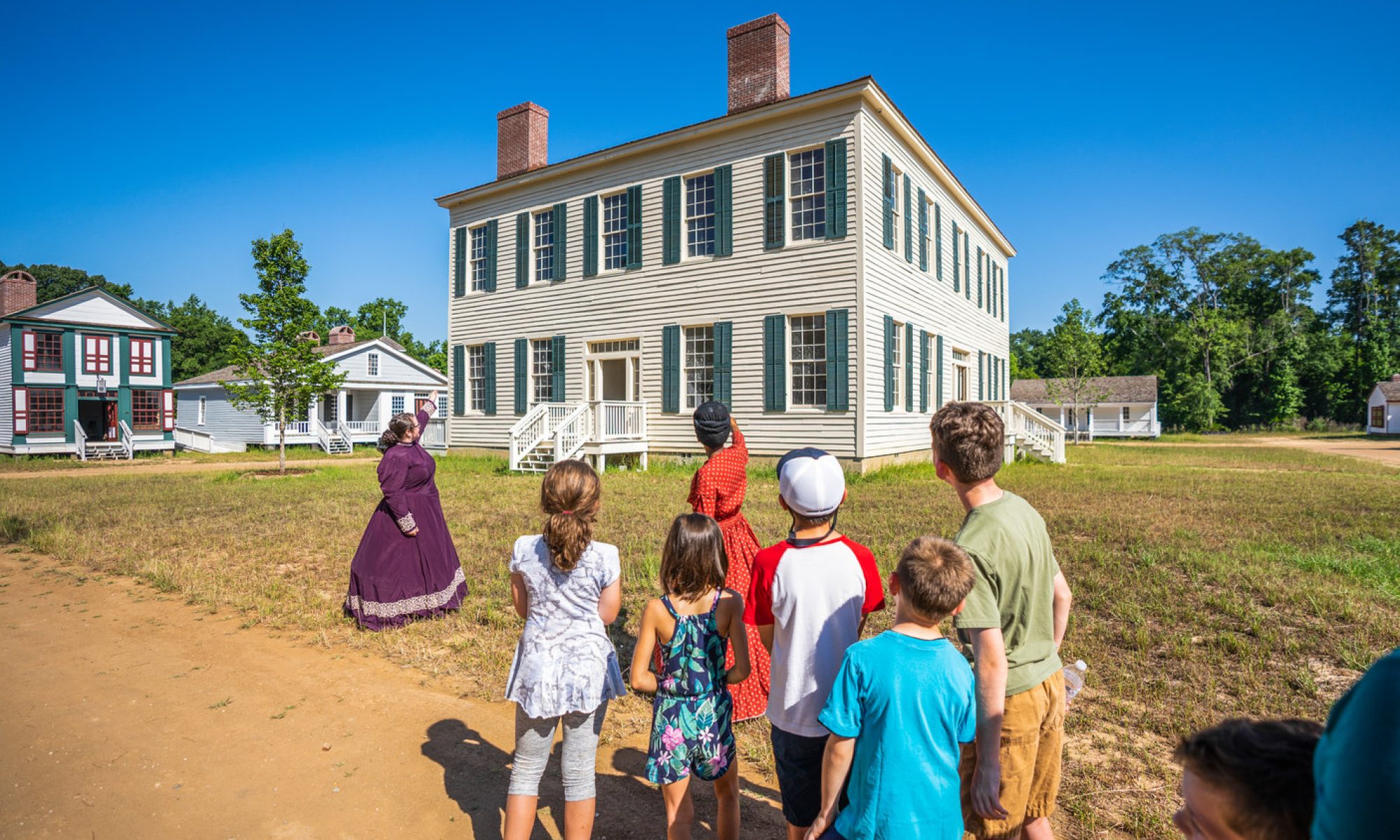
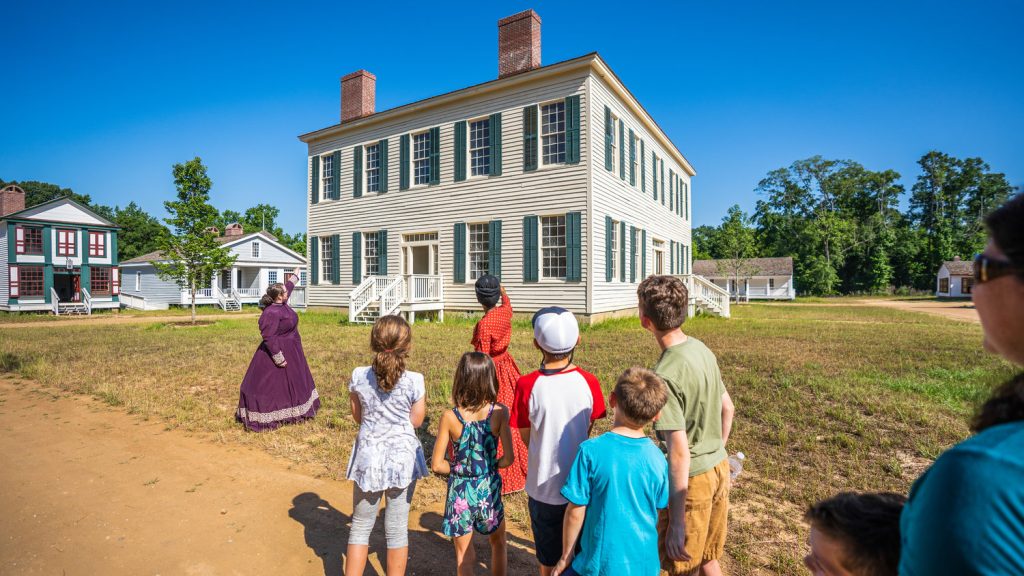
The Historic Chattahoochee County Courthouse was built in 1854 in Cusseta and is one of Georgia’s rare surviving wooden antebellum courthouses. Now preserved at Historic Westville in Columbus, it remains an important part of Chattahoochee County’s early civic history. Historic Westville is currently open Fridays and Saturdays, 10 AM–4 PM. Read More…
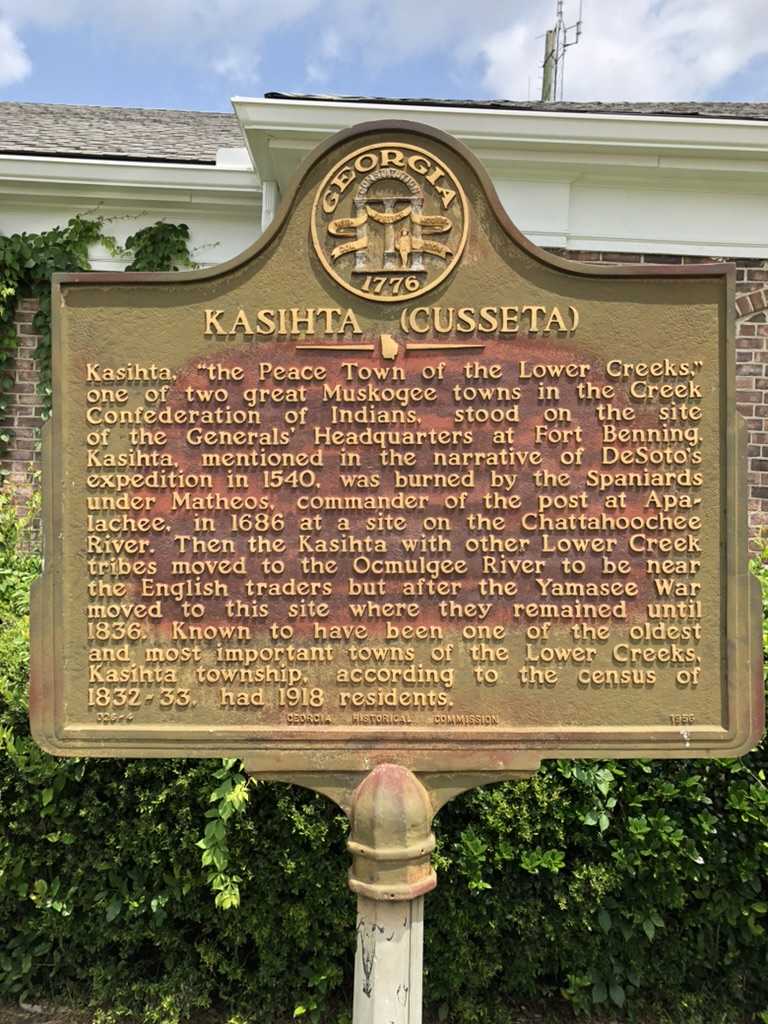
Kasihta (or Cusseta) marker at 📍 Address: 379 Broad St, Cusseta, GA 31805. in Cusseta, Georgia
Kasihta (or Cusseta) was a major16th-19th century Lower Creek Native American town on the Chattahoochee River, located near modern-day Fort Moore (formerly Fort Benning) in Georgia. Mentioned in de Soto’s 1540 expedition, it was a prominent Muskogee (Creek) settlement that relocated to the Ocmulgee River before returning and eventually being removed in 1836. Read More…
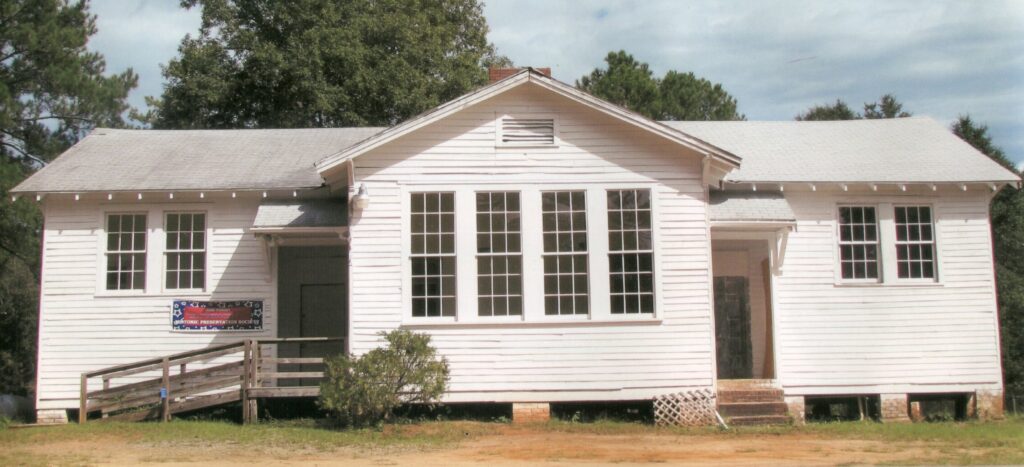
The Historic Rosenwald Cusseta Industrial High School, at 📍 113 Sandy Rd. in Cusseta, Georgia, is a Rosenwald School which was listed on the National Register of Historic Places in 2011.[1]
It is owned by the Chattahoochee County Historic Preservation Society, Inc. which sponsored the nomination.[2]
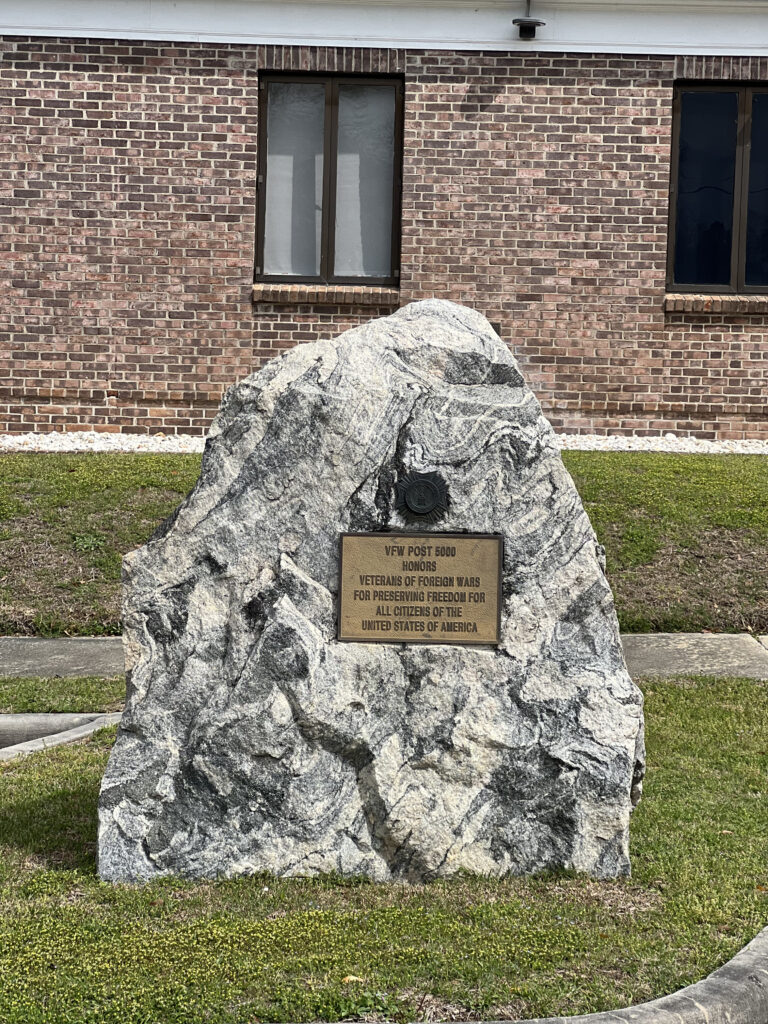
VFW Rock Post 5000 Honors Veterans of Foreign Wars for Preserving Freedom for All Citizens of the United States of America. The Veterans of Foreign Wars is a service organization that promotes patriotism, supports veterans and their families, and provides community service.
More Information Here
📍Visit the Location Here
Our Local Veterans of Foreign Wars Information Here
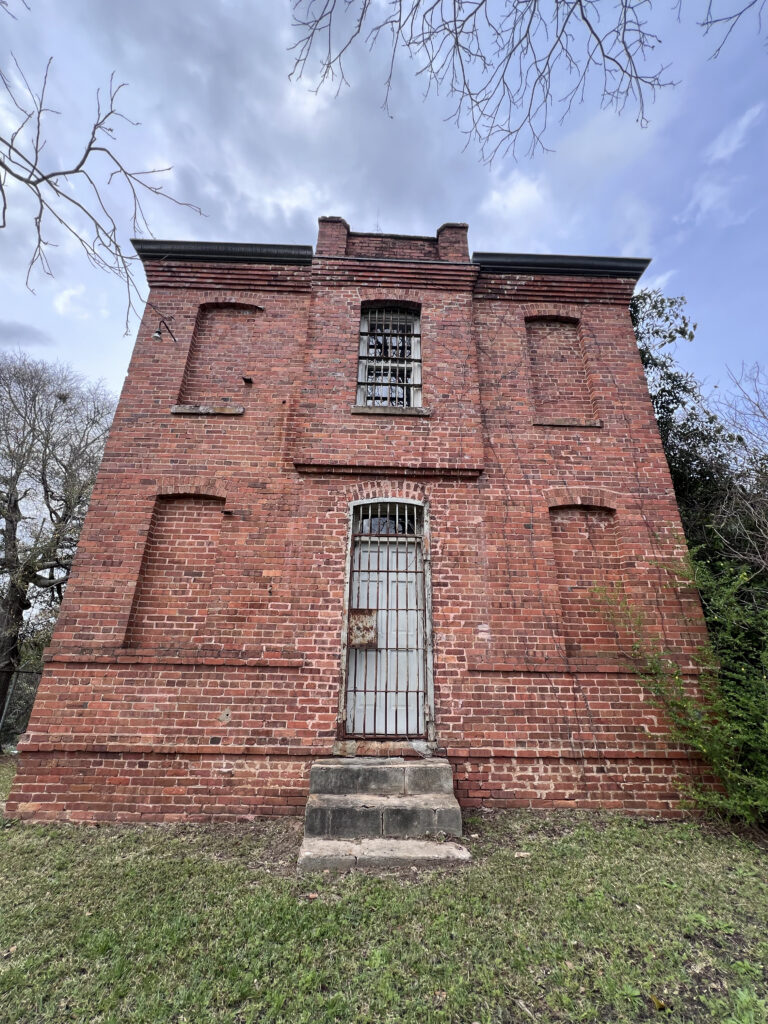
Historic Chattahoochee County Jail 📍 Location: Corner of Mt. Olive & Boyd Street, Cusseta, Georgia
📅 Historical Marker Dedicated: September 14, 2002
Built in 1902, the Chattahoochee County Jail stands as a striking example of early 20th-century civic architecture. This two-story, fireproof structure was constructed at a cost of $5,000, replacing the original two-story log jail from the 1850s.
The jail was actively used until 1975 and was officially listed on the National Register of Historic Places on March 13, 1986.